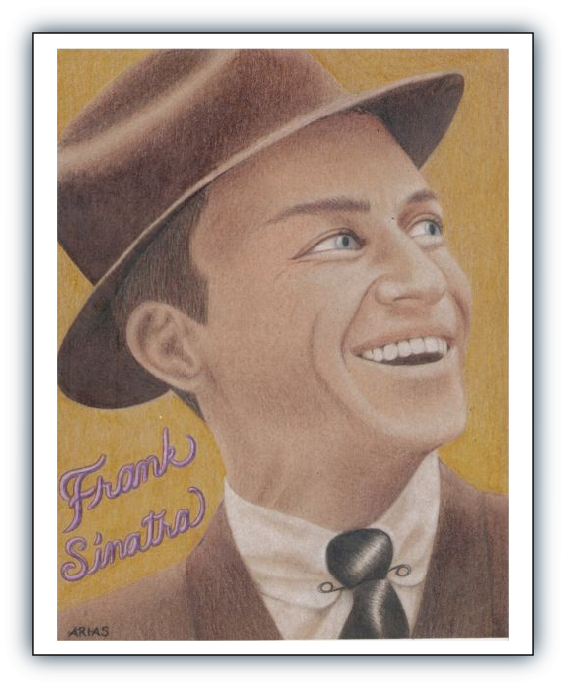
Wednesday, May 22, 2013
Thursday, May 16, 2013
A modest letter
Thursday, May 16, 2013
SUBJECT: Home Foreclosures,
Irregularities and Education
Congressman
First,
thank you for your past efforts. All
your hard work is appreciated greatly.
My
purpose in contacting you is because of the issues regarding the foreclosure
process. We, my partner and I, have been
working with the Banks directly.
Later in this document, I want to outline briefly a growing problem
regarding the Community College system and the new shortage of qualified
educators and full classes being closed.
Returning to the topic of banks and
foreclosures, they, the banks, have been nearly impossible to work with on any
level. The Bank representatives have been rude and reluctant to allow me to
speak directly with Supervisors.
When I requested to speak to a Supervisor I
was told, “What difference would that
make.”
We have
filled out the same forms over and over again.
The process keeps going on without progress. Just forms and more forms
to complete has been a huge time consuming process.
Working on our behalf, Dollie A.
Medina, a Foreclosure Intervention Counselor with L.C.S.A. was blocked from
accessing our account. After having
filled out a disclosure form so that she can access information to assist us,
she was deliberately blocked. This was after she already completed the
appropriate forms and had access.
It is as if as if the banks want to
rush the process rather than assist homeowners who want to keep their homes.
If there are government programs to
help, it appears that their requirements are so stringent and inflexible that
they do not accomplish what they were intended to do.
We have
been in our home for over ten years. My
partner and I have been concerned citizens. We have made our community better
by being active. We may have actually saved it from total disrepair.
Our
first management company literally “nickled and dimed” our H.O.A. Services performed were poorly done, and
money set aside by our developer “magically disappeared.”
I have
successfully received grants to improve
our community at least three times. At one point we had the chief of police,
the Mayor and our City Councilmen attended our G.A.I.N. event. I was actually awarded a bench from the City
of Phoenix for civic contributions.
We have
saved money to make mortgage payments. We have literally pleaded with the banks
to allow us to get caught up to some degree.
All we
wanted was time.
The
banks would not accept our money.
My
partner and I have begun working, but it will take a while for pay stubs to
arrive. The bank keeps refusing what we send.
One of
the unfortunate side effects of so many foreclosures are the many
investors. They claim houses banks put
on the market with the intention of renting them. Frequently, they do a poor job of doing
background checks on their residents.
It is common practice that renters
may not follow community guidelines.
Banks and investors frequently have ignored H.O.A. dues. It takes efforts to collect funds. With the loss of so many home owners, our H.O.A.
funds become depleted.
When
dues are not paid because houses are in transition, it raises H.O.A. fees for
those that do make regular payments. The stress on communities are huge.
Education
Another
issue that has impacted me and many others in the community college system is
the fact that they are limiting the number of hours adjuncts can teach. The net result is that full classes are
cancelled.
Finding adjuncts qualified to teach
classes is not easy. The hours are long
for preparation, and the pay is relatively low.
But, if one can teach a full load, the compensation makes teaching
practical.
For
reasons better known to the Community College system, they are enforcing the
limit without exception.
It is
obvious that this will seriously harm the Community College system. Those seeking employment will leave the
system. This will cause a spiral effect. If this persists, classes will be smaller,
full classes will be cancelled. Students will seek other educational options.
Closing
Communities, education and
stability are issues close to me and many others in South Mountain. We all want sustainable vital safe
neighborhoods where people want to
reside.
When
jobs are vanishing, pay lower and the cost of living and housing rise, Banks
and their byzantine labyrinth of forms and requirements make matters worse.
I am
not sure if the effort to write this letter is going to make any
difference. I do hope that if nothing
else this letter will create awareness and help myself and the many others
facing foreclosure.
Thank
you for reading this document.
Sincerely,
Kurt Joachim von Behrmann
Artist and Concerned Citizen
Wednesday, May 15, 2013
When Infamy becomes aristry
Wednesday, May 15, 2013
Just show your ass, and they will come
Riding infamy like a bullet train, the Kardashian’s have braved a flight path that offers all the perks of stardom, but minus the costly price of the journey. Their surnames have become household names. Miraculously rising to celebrity status, they are truly a marvel of both marketing and branding.
What the Gabor Sisters were erroneously accused of, success without discernible talent, the Kardashians are guilty. More cerebral than their image portended, collectively the Gabors acted on the stage, in film and on television. At the very least they provided entertainment that required a solid work ethic. Exactly what have the Kardashians, collectively or individually, accomplished?
Other than one getting caught with her pants down, literally, Kardashian fame rests on moments that were, well less than flattering. Not too dissimilar from one onetime heiress socialite whose initial bouts with fame came from bad behavior, at least Ms. Hilton, acted and sang. At the very least, she did something other than looking pretty.
Aside from a scandalous video, and then a lame reality tv show, the Kardashians have built a multimillion dollar businesses out effluvium. Why go through the contortions, trials, tribulations, breakdowns and sweat that serious talent requires when you can hitch your wagon to a gravy train that only asks you be present.
Does style become substance? That was the big question. The more precise question would be can the shameful become profitable? Can flaws become cash?
Apparently the answer is yes. Want a quick way to fame and fortune but do not want to work for it? Just do something outrageous. The money will follow. Appear on a few shows, hock a book and without too much on your part, except for the total embarrassment of doing something scandalous to start with, watch the money roll in faster than an T.V. Evangelists rival meetings.
Amen and pass the plate!
Andy Warhol said “In the future everyone will be famous for fifteen minutes.” Prophetic words that are still highly relevant. What he could not have seen is that bad acts can add at least 60 more minutes.
Getting in on the act, Jodi Arias has achieved attention as an artist. The same woman who brutally murdered her boyfriend in a bloody messy painful sea of anger without remorse, Arias is now an artist. Her amateurish creations depict assorted dull subject matter. What is telling is that she depicts famous people. In an odd way, she has achieved a notary that the subjects of her creations had to work hard to achieve. The irony is painful.
Just because you have murdered your boyfriend, that doesn’t mean you cannot draw sympathy and supporters. Arias has her own web site. You can see her site http://jodiariasisinnocent.com and yet another, not directly associated with Arias http://www.jodiarias.com.
There is actually an audience for the work. Her creations are selling. Nothing brings the price of art up like a crime. Do something terrible and watch the art sell.
Artists, actors, writers and all assorted professionals, skilled labor folks, and well the vast majority of the world actually works for a living. They contribute skills that we all need. Exactly what does someone with an atom of talent in a galaxy of ambition provide? Is it fodder for consumption at check out lines, or have we all become pop culture junkies looking for the next fix?
There was a time, long ago on tv sets far away, when people with talent actually talked about things that actually mattered. Even the light shows like Mike Douglas gave you something to think about. Dick Cavett featured professors from Ivy League schools.
Just try to find one serious writer, artist, musician or actor on t.v.? Find anyone talking about anything of substance, other than marketing their own ass, and you will find the pickings very slim.
Just show your ass, and they will come
Riding infamy like a bullet train, the Kardashian’s have braved a flight path that offers all the perks of stardom, but minus the costly price of the journey. Their surnames have become household names. Miraculously rising to celebrity status, they are truly a marvel of both marketing and branding.
What the Gabor Sisters were erroneously accused of, success without discernible talent, the Kardashians are guilty. More cerebral than their image portended, collectively the Gabors acted on the stage, in film and on television. At the very least they provided entertainment that required a solid work ethic. Exactly what have the Kardashians, collectively or individually, accomplished?
Other than one getting caught with her pants down, literally, Kardashian fame rests on moments that were, well less than flattering. Not too dissimilar from one onetime heiress socialite whose initial bouts with fame came from bad behavior, at least Ms. Hilton, acted and sang. At the very least, she did something other than looking pretty.
Aside from a scandalous video, and then a lame reality tv show, the Kardashians have built a multimillion dollar businesses out effluvium. Why go through the contortions, trials, tribulations, breakdowns and sweat that serious talent requires when you can hitch your wagon to a gravy train that only asks you be present.
Does style become substance? That was the big question. The more precise question would be can the shameful become profitable? Can flaws become cash?
Apparently the answer is yes. Want a quick way to fame and fortune but do not want to work for it? Just do something outrageous. The money will follow. Appear on a few shows, hock a book and without too much on your part, except for the total embarrassment of doing something scandalous to start with, watch the money roll in faster than an T.V. Evangelists rival meetings.
Amen and pass the plate!
Andy Warhol said “In the future everyone will be famous for fifteen minutes.” Prophetic words that are still highly relevant. What he could not have seen is that bad acts can add at least 60 more minutes.
Getting in on the act, Jodi Arias has achieved attention as an artist. The same woman who brutally murdered her boyfriend in a bloody messy painful sea of anger without remorse, Arias is now an artist. Her amateurish creations depict assorted dull subject matter. What is telling is that she depicts famous people. In an odd way, she has achieved a notary that the subjects of her creations had to work hard to achieve. The irony is painful.
Just because you have murdered your boyfriend, that doesn’t mean you cannot draw sympathy and supporters. Arias has her own web site. You can see her site http://jodiariasisinnocent.com and yet another, not directly associated with Arias http://www.jodiarias.com.
There is actually an audience for the work. Her creations are selling. Nothing brings the price of art up like a crime. Do something terrible and watch the art sell.
Artists, actors, writers and all assorted professionals, skilled labor folks, and well the vast majority of the world actually works for a living. They contribute skills that we all need. Exactly what does someone with an atom of talent in a galaxy of ambition provide? Is it fodder for consumption at check out lines, or have we all become pop culture junkies looking for the next fix?
There was a time, long ago on tv sets far away, when people with talent actually talked about things that actually mattered. Even the light shows like Mike Douglas gave you something to think about. Dick Cavett featured professors from Ivy League schools.
Just try to find one serious writer, artist, musician or actor on t.v.? Find anyone talking about anything of substance, other than marketing their own ass, and you will find the pickings very slim.
Wednesday, May 8, 2013
A modesst essay on art
Wednesday, May 08, 2013
Inbreeding and Mediocrity
By Kurt von Behrmann
Phoenician
art is not unfamiliar with negative criticisms.
From the art to the people that show it, the fine art world of Phoenix
is littered with frustrations, failures and fruitless efforts to find patrons.
Fractious is the most appropriate adjective to describe a community ripped
apart by assorted self-interests and enough pretentiousness to cover all of the
west coast in one big dust storm of despair.
Affecting importance out of
proportion with the scant talent showcased, the egoism in some venues is
literally palpable. Insipid to the point
of toxicity, vapid work passes for achievement.
The audience has evaporated faster than the paint drying on the art
work. Artists’ creations are greeted by
one collective yawn.
Even when work rises above the fracas,
indifference shows up to scoff at imagination. Tragedy reaches no worse depths than when the
genuinely gifted receive the same greeting as the profoundly maladroit. The low
acceptable bar infects everything it encounters. Intellect is reduced a cacophony of lesser minds.
Well intended have tried to leave
an impression. Their efforts often met
with indifference by a public unsure of what to make of it all, they keep
trying. They put out work that falters. The venues for art struggle and they
are to be commended.
With good reason some art deserved to be
ignored.
The biggest offense to art are the
many camps populated by dilettantes who sincerely believe they have
talent. Minus training, discipline or a
vision that is not compromised by years of exposure to a pop culture drained of
any originality, they walk blinded by their own inability to see beyond the
sycophants that surrounded them.
Young people, the hope of art, for
the large part have just given up the challenge. When they should be challenging
the status quo, they have just embraced it. Rather than break ground, too many
are preferring to break wind. A.S.U.
apparently is not doing anyone any favors.
It could be affordable education that forces gifted artists to do other things for a living. What fills in the
void is inconsequential.
Sometimes idiots make art and frequently
the moronic buy it
The insular nature of the clans and
cliques that dominate the visual arts are an exclusive enclave that rejoices in
its own exclusivity. Seemingly existing
for no more reason than to exist, the incestuous nature of the art community
has produced a breed of art that is
incomprehensible to anyone except its members.
Obscurity of expression would not be so horrid if the journey to
comprehension had a payoff.
Instead of being treated to the
inner workings of working minds that are restless and inquisitive, we have work
with nothing to say. The inbreeding has
culminated in infertile ground incapable of sustaining any life at all.
Launched into this Robrt Pela, a well-known
arts writer and curator in the Valley, has taken a drastic, even dramatic,
move. He opened an art gallery. On the surface that may not appear to be
subversive. Here it is a radical act.
Rather than squat in the land of
the dazed, unfocused and confused, Pela has a distinct vision. It has served him well. It separates him from the herd. Unlike too many in the local arts community,
he is not consumed with wasted attempts to pacify plebian sensibilities. His presence has elevated the playing
field.
More outward looking than
reclusively removed, Pela has an open view of art. In a more international setting, his approach
is not far removed from the critical sensibilities of the East and West
Coasts. In a larger context, his
selection process would be full appreciated.
In different settings such views are erroneously perceived as
“elitist.” It is common place for
mediocre minds to label intellectual pursuits the domain of the
privileged. Reality tells a very
different story.
“As a
side note, I find it interesting that art is seen as elite. The enclave of a gifted few is how art is
often viewed. In a supposedly “class free” nation, or supposedly a
classless society, there are elites everywhere.
No one accuses the N.F.L. for being exclusive when it comes to selecting
players or MVPs. The members of the
military, even the far right media, are filled with elites. The Rushs and Ann Coulters of the world live in a rarefied
world of privilege. Even street gangs have hierarches. Somehow those things are overlooked. Look at any office and you will find a
pecking order.
It is the responsibility of
artists, curators and art pundits to elevate the bench mark of visual art. It is not their responsibility to appease
everyone. The ultimate duty of art is to
provide the world with vision, insight and wisdom. In all art there is an underlying morality to
art when it is working at full speed.
Art holds up a mirror to the
world. It is a reflection of more than
one person’s vision. It is an articulation of what may be felt, but not
understood by society. The very best
artists mine deeply. What their excavations uncover becomes the raw material
for work that communicates an individual voice as well as a collective one. Art becomes a moral compass that points to a
brighter tomorrow. Even when art delves into the layers of unconscious thought,
or confronts the darker side of the human experience, it does so with the
notion of providing more, not less.
When art examines the bright, the
dark and the indifferent, what it witnesses fuels powerful expressions. Raw, sometimes difficult to digest, art is
most in tune when it speaks to universal truths. Work like this only comes with
maturity, training and a well-educated mind.
Idiots do not make great art. Sadly
it has not prevented morons from buying it.
Appeasing audiences or passing off
frauds as geniuses is nothing new. The
situation is more apparent, and more destructive, when the art community is in
an embryonic state. Posturing, posing and passing are common place. Here in the
Valley they have reached such a fevered pitch even the art audience looks like
a fraud of sorts.
People attend openings, drink wine
and give the art a passing glance. Everyone comes to be seen looking deep.
Being viewed with art elevates you by proximity. Stand around a painting, good or indifferent,
and it magically confers upon you intelligence, “hipness” and ultimately a
veneer of “class.” Money has become
class, class has become money, and all are elites. As long as everyone is honest, all of this is
easier tolerate. When it becomes fake, it just induces nausea.
Identity and integrity are
positives. Knowing who you are
helps. One of the huge hidden problems
with so many art venues in Phoenix is that they are not sure what they
are. As if uncertain what to do, many
galleries fall into the trap of art doesn’t sell so they become a little bit of
this and a little of that. Many just do not believe selling art can pay the
overhead. They believe the line of art not selling so much it undermines their
own efforts.
As a means to ensure there is no
failure, they back up efforts with nick nacks and peripheral art works. What emerges is not a gallery but a hodge
podge of this and that.
Most galleries in Phoenix are
trying. The problem is that there is a missing identity. There also seems to be
a lack of a business plan. Media budgets and cultivating patrons often is
missing from the gallery equation. Like
some form of naiveté, gallery owners open shop and hope for the best. Minus excellent networking, a sense of what a
gallery is and the inability to curate well, art spaces flop in the breeze.
The gallery business has never been
easy. They require vision, investors and an exhibition space able to showcase
the work effectively in order to work.
Having all the parts does not guarantee success. Having parts missing can certainly guarantee
failure.
The problems most new venues face
is legitimacy and decent wall space.
Throwing up a gallery in a dilapidated space and pricing the work at $
20,000 is not going to work. When your audience only makes $ 30,000 a year on
average, expect work in the $ 200 to $ 500 range to move. If you have a decent
space, some media savvy and solid work, expect more.
What Pela has done for Phoenix is
provide a space that addresses the need for serious venues for art. That is not
to denigrate those who have tried or struggling. They are doing the best they
can do.
It would certainly help some
artists and gallery owners to take a lesson from Pela. His template places a premium on white walls,
the art and nothing to distract from the work.
Free of this and that, there is no confusion that this is a fine arts
space.
Opening a gallery is a difficult
proposition. No one should take it
lightly. Often the failure of art to
sell rests on the shoulder of artists to some point. Gallery owners have to
take some of the responsibly as well. It
rarely occurs that just maybe presentation, lack of a comprehensive business
plan and a good presentation are the reason no one buys. Stability also counts. No one wants to buy
work from a space that is here today and gone tomorrow. When art spaces come
and go, the assumption is that art will go south as well.
The key ingredients are solid
curatorial skills, space, networking, advertising and knowing what you are
selling. Having a specific identity is critical. No one space can show everything made. It
just makes a mixture of disconnected parts. Viewers are left to pick up the
good from the bad.
Pela has started from the premise
that he is showing challenging contemporary art first and foremost. It is an
example worth emulating.
Saturday, May 4, 2013
Just What Is It That Makes So Much Of Contemporary Art Boring?
Look No Further Than The Participants In Art.
You will Locate Answers There.
By: Kurt von Behrmann
Serious criticism is an engaged species. Precariously hanging onto the fringes of relevance, analysis of visual art of any depth is vanishing. The steady marginalization of any measure of critical success has devastated art. If the annihilation of commentary is not enough, the increasing separation of hierarchy from visual expression evaluation has done no one any favors.
The dominion of art has been divorced from the mainstream for years. The subsequent outcome has been visual art being perceived as an elite pursuit. Intimidation by gallery “sales people” turns everyone off, including patrons and pundits. Neophytes to art are not welcome to the exhibition arena.
Unless armed with cash, name recognition or sycophants, all of the aforementioned are appreciated. Everyone else is excluded. The conversation has become an insular discussion. There is an outside, and inside. There are more outside the tent that inside of it.
The range of what is acceptable is defined by gallery owners, directors, and artists. Each has varying degrees of influence. Each has vested interest in sales. The collusion that can take place turns into art by committee. This system can work. Solid work can be produce. This is all predicated on everyone having, visual, intelligence and very good “eyes.” Add just one person ignorant of art history or trends in art, and the whole thing results in sloppy inconsequential work.
Not unlike government, were any system can work as long as people with high moral standing are involved. Even a monarchy could be effective if you have a good King. The problem with politics is that absolute power absolutely corrupts. No one is immune to the aphrodisiac of power.
This is why systems of checks and balances are employed. They may not be successful. They can turn into a party of incest where everyone “greases” everyones’ willing palms. Degenerating into a fest of give and take that advances a few agendas, the public good is left to starve.
The same thing can, and often does, take place in the arena that is art. When artists, gallery owners and all others associated with setting the standard for art, both private and government funded get together too closely, there is no one to check and balance anyone. There is no one to point out the Emperor has no clothes.
There are few guarantees in life. The world can be a messy, awkward intimidating place. That is no excuse for creating more inequity. The argument that no system avoids problems is not far from being related to indifference to nagging problem. Giving into hopelessness and powerless is a guarantee for total and complete failure. Better to at least make the effort than walk away disgusted.
Art criticism provides an outside voice. Sure, art critics can be guilty of operating on agendas the follow with the rest of the art pack. That can happen. However if there is a solid voice that depends on high quality commentary, too much “sucking up” becomes counter productive. Readers need some degree of controversy, excitement. Abnegating the responsibility of unbiased criticism will result in a loss of readers, the death knell of writing. The only way to be effective is to be critical.
Criticism is not the same thing as complaining. Whining is not art commentary. When reviews turn into grandstanding, or paying back debts, the importance of writing about art is diminished. If done with responsibility and respect for art, readership will rise. Quality will determine success.
Usually art writing is considered of little value. As a result practitioners of the profession can be those with little background to do so. Just because you have eyes, that does not mean you have the prerequisite for evaluating art. It is using the same argument that if you have a wrench that makes you a plumber. No one takes a dilettante surgeon seriously. You either go to medical school and endure the grueling process of being a doctor, or you don’t. If you elect to pass on medical school and passing the boards, forget this profession. Visual art works the same way. The problem is that most simply feel that arts writing is not difficult. Anyone can do it.
Art can be seen the same way. Anyone can paint. The standards of art is so low, literally anyone with a paint brush can enter the party.
The reality tells a different story.
Since the rise of modernism to the contemporary, innovation has been the standard. Being original is necessary. To simply ape the past makes you a plagiarist. To make unusual connections, or possessing a distinct vision is being an artist. Anything else is delusional.
Labelling art as valuable and not so much so has fallen out of favor. Even the art publications prefer the innocuous title of “arts writer” to “art critic.” It is as if criticism becomes a sword that cuts through art with the intention of only destroying it. To make any defined stand on art is heresy.
How dare anyone feel they can comment on art. I
The idea that evaluation is impossible has roots in a society that likes social passing and views students in education as “consumers.” We do not want to murder anyone’s self esteem. Everyone is entitled to an “A.” To obtain a “B” amounts to failure. A “C” may as well be total failure.
Grade inflation,social passing and too much concern about student self esteem versus student achievement has given us a society increasingly hostile to intellectual endeavors. Learning for the sake of learning is going the way of dinosaur. Learning is about doing as little as possible to obtain a good grade. Armed with A’s instead of B’s means the difference between unemployment for a ticket to the middle class.
The joy of learning is just a useless sideline. Unless there is instantly perceivable benefit, long term goals and true learning are simply part of a different time and place.
Everyone takes a hit when education is reduced to grades and becoming little more than a crude trade school.
Evaluations, assessments and a slavish adherence to tests have killed thought. Teaching to the test have turned students in automatons. There dull eyes have been trained like Pavlov’s dogs to respond on cue. Information is given, expect to be returned and that is all that is expected. When manipulated into “test pass teaching’ information is reduced. As long as it is on the test, perfect. If it involves anything not on the test, it is omitted.
Test evaluations for high schools do not take “thinking” into the pat formula. College campuses are obsessed with assessments. Content is an after thought. As long as you access, keep the consumer/student happy, what you are teaching becomes less important than keeping numbers high in the favor of the institution. There could be reason why the words “mental institution and educational institution share the same word.
How does all of this connect? Easily, in some may ways. With an audience free original thinking and envisions learning as a dull process necessary to obtain a good grade, there is little room for much else. The narrowing of education has created as society hostile to “deeper’ thinking. That whole thought process has infected society.
Art pundits have become superficial purveyors of mediocrity. Sensationalism, previous sales records and gimmicks have replaced depth, innovation, imagination and technique. Skill is an after thought. Breaking ground deemed “too new” is now exiled. What is left? The middle ground that pretends to be “maverick.” Everyone wants to be a rebel. Everyone wants to buck the system. Giving it to the “man” is what it is all about. However, if you hit too hard, if you take too big a legitimate stand, be greeted with excommunication from the temple of culture. Individuality is tolerated as long as it fits the confines of acceptable ground breaking.
The real thing, the genuine have been cast aside. Orphaned to a cult act, a wider audience is denied to art that really does “push” the proverbial envelope.
Omitting anyone willing provide an objective eye and create criticism rather than description is what we need. Art is categorized. It happens the moment a show is curator.
Checks and balances are necessary. Achievement is hard work. Having an educated open minded audience is necessary. Enlightened support is essential. Making challenging art accessible to “everyone” should be something desired. Making art more exclusive does not diminish it. Popularity is not a devaluation of art. Obscurity does not need be the last resort of innovation. Money should never be the sole arbiter of quality.
Minus a voice that can dig through the detritus to get to the diamonds, what we are left with are many inferior jewels.
Monday, April 29, 2013
Themed Exhibitions of Art: to create order or not.
Monday, April 29, 2013
Themed Exhibitions:
cohesion or cop out
By: Kurt von Behrmann
Order
is a desired state. When chaos rears its
head, most would be quick to seek organization.
Art exhibitions operates much the same way. Art is not always created with the idea of
cohesion. Creativity can be a curator’s
nightmare. It sometimes follows a
snaking path. It may not be mindful of what makes an exhibition a fluid
experience. When guiding eyes are missing, the results can be confusion to view
and difficult for viewers to digest.
Under
the guidance of a curator, artists chosen for display are selected based on
quality of work, or some unique vision.
Pairing artists with each other is based on how well the respective
artists’ works connect with each other. Either
with one artist, or several, unity is based on shared visions among those
participating or a common creative direction.
Similar to art movements where there is difference accompanied by
similarity, relationships styles are the governing connecting tissue.
The
problem with organizing predicated on significance is that it requires finding
artists who have a shared direction. If
not a shared perspective, seeking works that visually make sense when brought
together is a governing factor. Either
way, both methods require some sophistication.
It demands an acute eye to make exhibitions work.
The problem with organizing predicated on significance is that it requires finding artists who have a shared direction.
The Achilles
heel is that it requires careful laborious effort to make the selected make
sense when quality or merit are the yardsticks of success. If no artists can be found, pairing can
literally be a “hot mess.” The resulting
exhibition will tend to look like a collection of parts and pieces haphazardly
chosen. The sum of its parts is a
disjointed whole.
One
method to bring order to the complexity of putting assembling work is selecting
a theme. Arbitrarily or by deliberate
design, curators rely on the topic to offer up order. The Achilles heel here is what to do in an
art world where work is created by artist and then brought to public view. In
the themed centered world, for the most part, a general call to artists are
placed. Sometimes open to the general
public, or a selected group, the aforementioned is the most common way.
Subjects
that artists develop that are directed by each artists’ imagination is a relatively
new idea.
Without,
or without criterion, artists who are professional are thrown into the same
pool as beginners. Seriously
trained artists with degrees compete with anyone taking the time to enter.
Free or
with a cost either per piece or one solid fee that includes several works,
public calls for work are rarely free. To offset the costs of the exhibition,
artist share the expense. Almost
universally if not accepted, the fees are not refundable. For the creative this amounts to a
lottery. You risk the gamble of paying
for nothing, or the option of being in an exhibition. More often than not, if work is sold, there
is a commission paid to the gallery, curator whatever. In these situations the artist is hit up
twice to help pay for everything.
For a
point of measure, most galleries, though some do, most take only a commission
after works is sold. The split can be
50% and higher. 50% is becoming the
minimum. In other times the system
operated differently.
Subjects
that artists develop that are directed by each artists’ imagination is a relatively
new idea. Historically art was created
specifically for a patron. Guided by the
needs of those paying for the work, there was some wiggle room for imagination. The measure of success was already
established by convention or a prescribed set of standards.
The old
system of art created for a specific person could circumvent the issue of
connectivity. But that was the old way
of doing things. Some work is still
created that way. An artists is
approached, given a theme and then paid.
Sometimes the artist is paid an advance to cover material costs and
labor to deter a patron from backing out at the last moment.
With
themed approach artists must chose existing work, or create new work for the
show. For artists now working with the
chosen theme, the options are clear cut.
a.
Make new work
b.
Taking existing work and hope it fits
c.
Not enter at all
Keep in mind, artists have to pay
for materials, Subjects
that artists develop that are directed by each artists’ imagination is a relatively
new idea. storage and transportation.
The results of “fit the theme” exhibition
can be positive. If you have an astute
curator the show can hit the mark. Even
if not versed in the wide scope of visual art, a director or gallery owner can
get lucky. It all depends on a plethora
of factors.
"...the artist ends up as producer, patron, shipper and p.r. specialist".
\
"...the artist ends up as producer, patron, shipper and p.r. specialist".
\

Risks factors rise when work is
open to an open call themed based show.
There may be talent that opts to opt out of the process. If your theme only hits mediocre artists, the
pickings are slim. A show becomes pick
the least weak work and hope no one notices that the exhibition is little more
than the middle of the middle.
Quality can sneak into the system
of pick a theme and hope. There is a
high probability the truly gifted are scratched off the list. Factor in the “pay before you play” system
and the most talented may be excluded because they just do not feel luck that
day.
When artists are specifically
selected, and without upfront costs to the creative participants, at the very
least the curator knows what they are getting.
The odds of hitting critical success become a little less risky. This manner of selecting does not guarantee
perfection, but it certainly raises the odds for positive outcomes.
Themes that are open ended are the
most like to attract better artists. Open
ended types of themes, for example
selecting a particular color as a theme, automatically confers some
cohesion. There is less likelihood for
confusion or going off subject. The only
down side is if artists are not creating in that color. The options are simple. Pick an old work and repaint it to fit,
create new piece of pieces or the last option, don’t play.
Topics that are gimmicky, or time
sensitive, can lead to the best departing the party. If the theme does not lend itself to
inspiration, the work contributed falls flat. Even if it meets the stated goal,
anticipate a boring exhibition.
One way around the limitations to
themes that draw the creative is to expand the definition what of is considered
acceptable. If pushed too far, you end
up with a sharp contrast between art that fits and those works that are tangentially connected to the
curator’s stated vision.
Themes like “painting
impressionist styled works that relate to the vanishing rainforests that speaks
to the historical periods following the impression left by surrealism” are so
spefic that the wiggle room for creativity is narrow. Or, everyone winds up with working like each
other. What usually happens is the topic is expanded to include that which does
not fit.
"Life is not fair. That is true. Then again, should everyone use that as an excuse to maintain inequity?"
The example I chose, “painting,
blah blah blah,’ is a far fetched example of what can happen. To creative people, this is just a byzantine
trap that does nothing to foster innovation or technical facility.
Compound all of this, lets look at
what the artist is expected to do when the pick a theme any theme process is in
place. Below is what an artist can expect.
1.
The
artist needs to create work that fits the theme.
2.
The artist must pay a fee, almost always non
refundable
3.
Create the work with labor provided by the
artist, this can include assistants
4.
Purchase materials for the construction of the
work.
5.
Provide storage for the work
6.
Provide transportation of the work.
7.
In some instances the artist may need to do
P.R., and or have a substantial following willing to purchase.
8.
Expect to see half of what you sell going to the
gallery or the curator.
In the scenario above the artist
ends as producer, patron, shipper and p.r. specialist. If that were not enough, expect to create
work for a themed show that may, or may not be accepted and then pay for the
“privilege” of being considered.
Life is not
fair. That is true. Then again, should
everyone use that as an excuse to maintain inequity? No one is forced to be an artist. The talented are drawn to the creative sphere
because of a burning desire to create and have something to say. The idea is to enrich the world by holing a
mirror to it. Reflecting the good, the
bad and the indifferent, art in all of its form imparts insight, wisdom,
understanding and if looked at closely an implied moral. Art contributes to the world, communities,
cities and towns.
If no one dares to pick up the
crown left by art history, precious stones are lost. It brings to mind Napoleon’s comment, in so
many words, “found the Crown of France
just lying in the gutter”.
From:
http://momentsintime.com/napoleon-proclaims-his-accession-to-the-throne
The
gutters could easily become the home of art if it is not supp ported. Burdening artists with the weight of carrying
the hard part of the load without assistance will lead to art that is only the
purvey of those seeking to amuse themselves, in short rank amateurs. The educated artists will take on other jobs,
paint part time, or stop making art.
Compounding the problematic problem
of themed shows is that there are fewer and fewer professionals writing about
art that have a breadth of history or art. Even that field is relegated to
everyone but those trained to do it either as artists, educators or art
historians.
Some may say good riddance to art.
If it costs so much and requires so much effort, why bother? The question is
then what would have Michelangelo, da Vinci, van Gogh and a slew of talented
people have just stopped due to lack of interest and support.
One thing is certain had they left
the profession of art, collectively the world would be lacking. We would all be
that much less.
Subscribe to:
Posts (Atom)